Elevated ICP symptoms
Patients experience nausea, vomiting, headaches, seizures, altered mental status and visual disturbances; elevated ICP could be fatal.

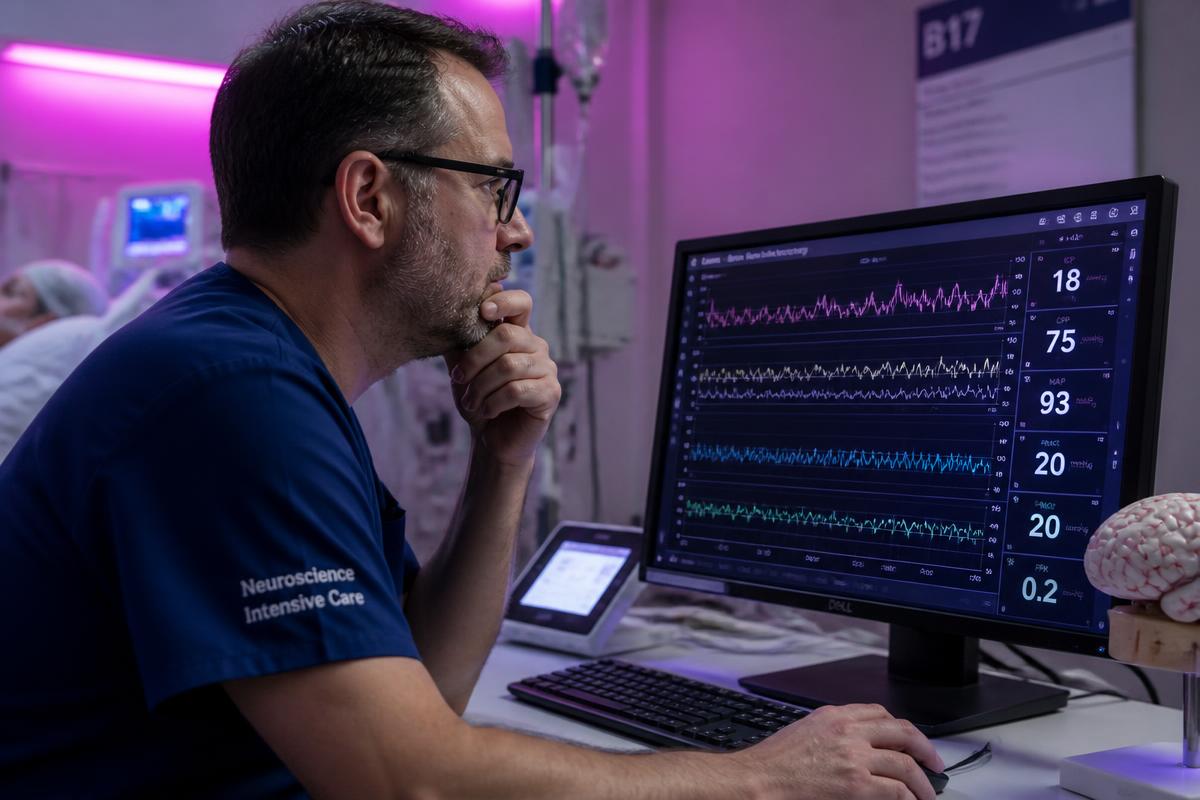
Monitoring vital brain signs
SensoBrain is developing a minimally invasive, electronics-free microfluidic sensor that makes intracranial pressure (ICP) measurable after patients leave the hospital.

Why ICP matters
Patients experience nausea, vomiting, headaches, seizures, altered mental status and visual disturbances; elevated ICP could be fatal.
ICP elevations signal progression of chronic conditions including hydrocephalus, headaches and brain cancers.
Reducing patient morbidity through long-term ambulatory sensing of ICP, enabling earlier interventions to normalize ICP.
What is SensoBrain?
SensoBrain is developing an electronics-free, battery-free implantable sensor that makes intracranial pressure measurable outside the intensive care unit — over the long term, without repeated invasive procedures.
Watch the 2-minute overviewOverview video (2023).
Clinical conditions
Elevated ICP is associated with many serious neurological conditions affecting tens of millions of patients worldwide each year.
Hydrocephalus is a condition in which there is an abnormal accumulation of cerebrospinal fluid (CSF) within the ventricular system of the brain. The normal flow or absorption of CSF is disrupted, causing it to build up and increase pressure within the skull, which can damage the brain and surrounding tissues.
Many brain tumors cause leaky blood vessels that permit excessive fluid to escape into the brain, causing edema. This can lead to headaches, seizures, nausea and vomiting, and reduced level of consciousness, and could also be fatal.
There is a relationship between intracranial hypertension and mortality after severe traumatic brain injury (sTBI). This relationship becomes proportionally greater as ICP increases, with a six-fold increased risk of death when ICP is greater than 40 mm Hg.
ICP can be a complication of stroke, which occurs when the blood supply to the brain is disrupted, resulting in brain tissue damage. Elevated ICP can put pressure on brain tissue and cause additional damage, potentially leading to neurological deficits and other complications.
Idiopathic intracranial hypertension causes chronically elevated ICP, leading to severe headaches and risk of permanent vision loss. It primarily affects young women and requires ongoing monitoring.
Our technology
Placed during a surgery the patient is already having (shunt placement or tumor resection)
Read non-invasively through the scalp with an external optical reader, in clinic or at home
Readings securely uploaded and analyzed
Clinicians alerted to concerning pressure trends
Summary reports available for clinical review
Progress
Stanford Wu Tsai Neurosciences Institute translational grant
First prototypes implanted in rats — sensor signal read through skin and skull over two weeks
Core Stanford intellectual property exclusively licensed to SensoBrain
Built on a proven platform: the same electronics-free microfluidic pressure-sensing principle as Smartlens miLens, now in a U.S. pivotal trial for glaucoma
SensoBrain incorporated
HomeLabs Summer Cohort 2026
Value of SensoBrain
Challenges in ICP monitoring
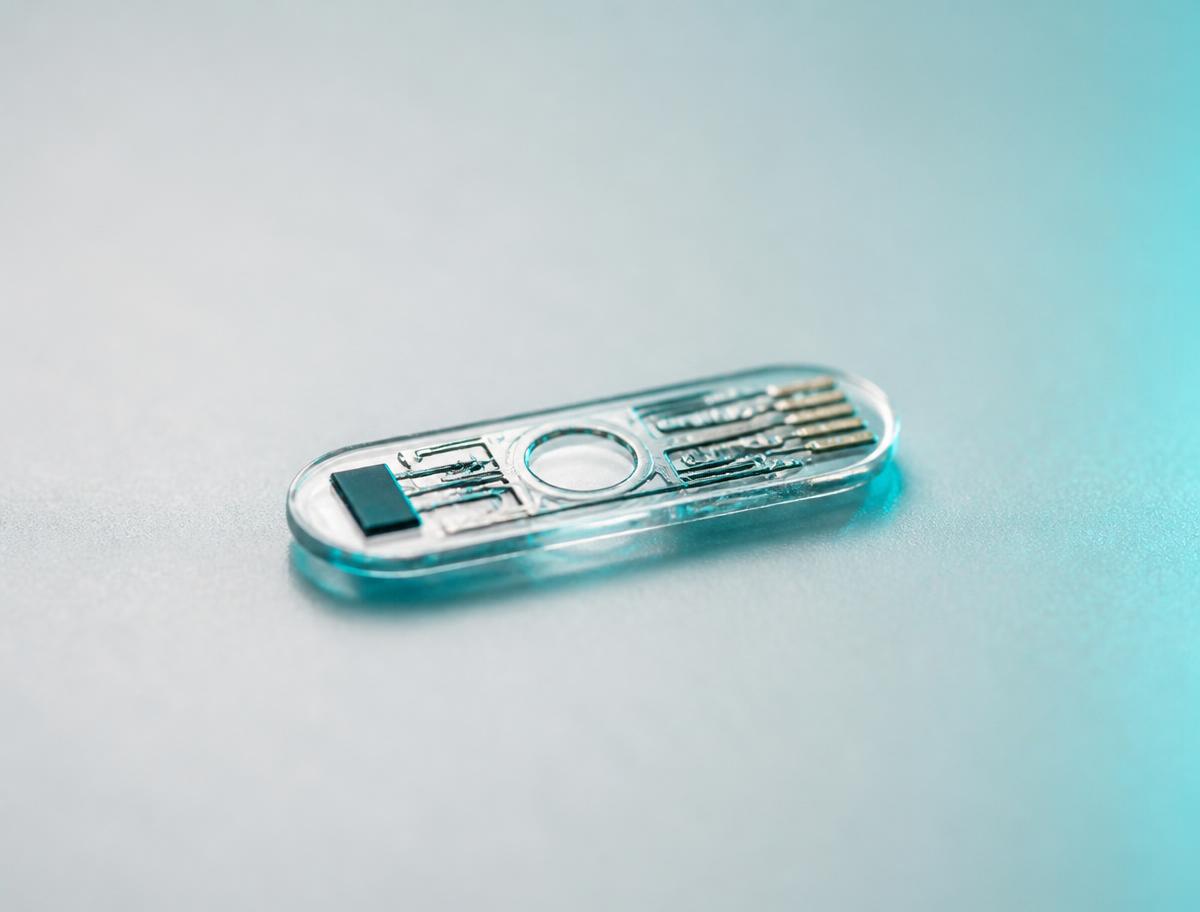
Illustration — not the actual device.
Our team
Insights
Evidence-based writing on brain pressure and the vital signs around it.
Contact us
Or email us directly at info@sensobrain.com.