Pediatric ICP: Why Children Need Different Monitoring
Growing skulls, decades of follow-up and a low tolerance for repeat radiation make children a distinct monitoring challenge.

Insights
Clear, evidence-based writing on brain pressure and the other vital signs it interacts with — for clinicians, patients, partners and investors.
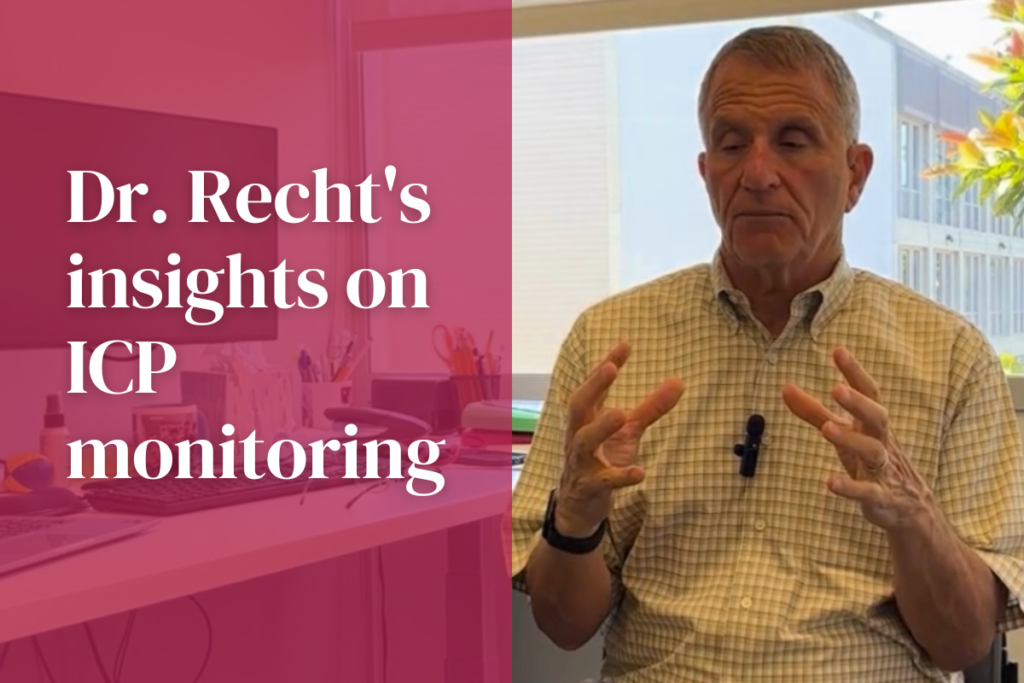
A Q&A with Dr. Lawrence Recht, Professor of Neurology and Chief of Adult Neuro-Oncology at Stanford, on cerebrospinal fluid, ICP monitoring and where the field is heading.
Read article →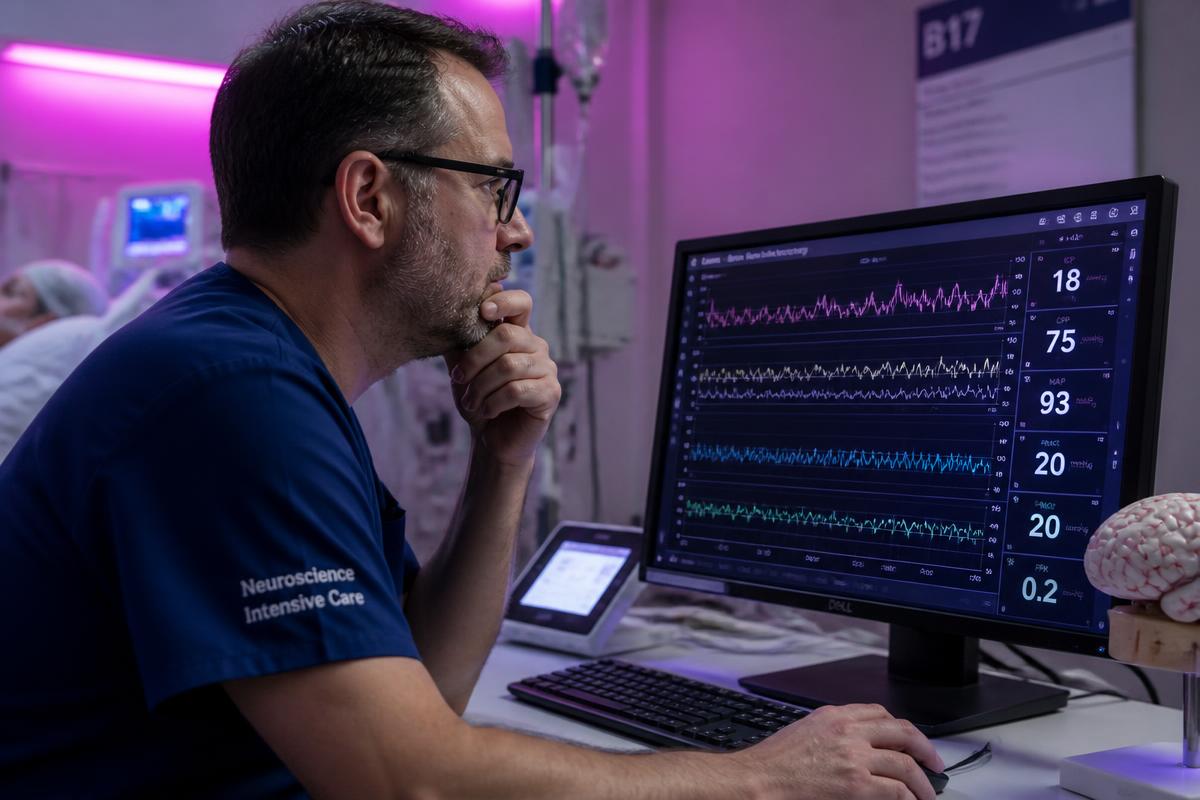
Heart rate, blood pressure and oxygen saturation are tracked everywhere. Brain pressure is not — and that gap costs patients.
Read article →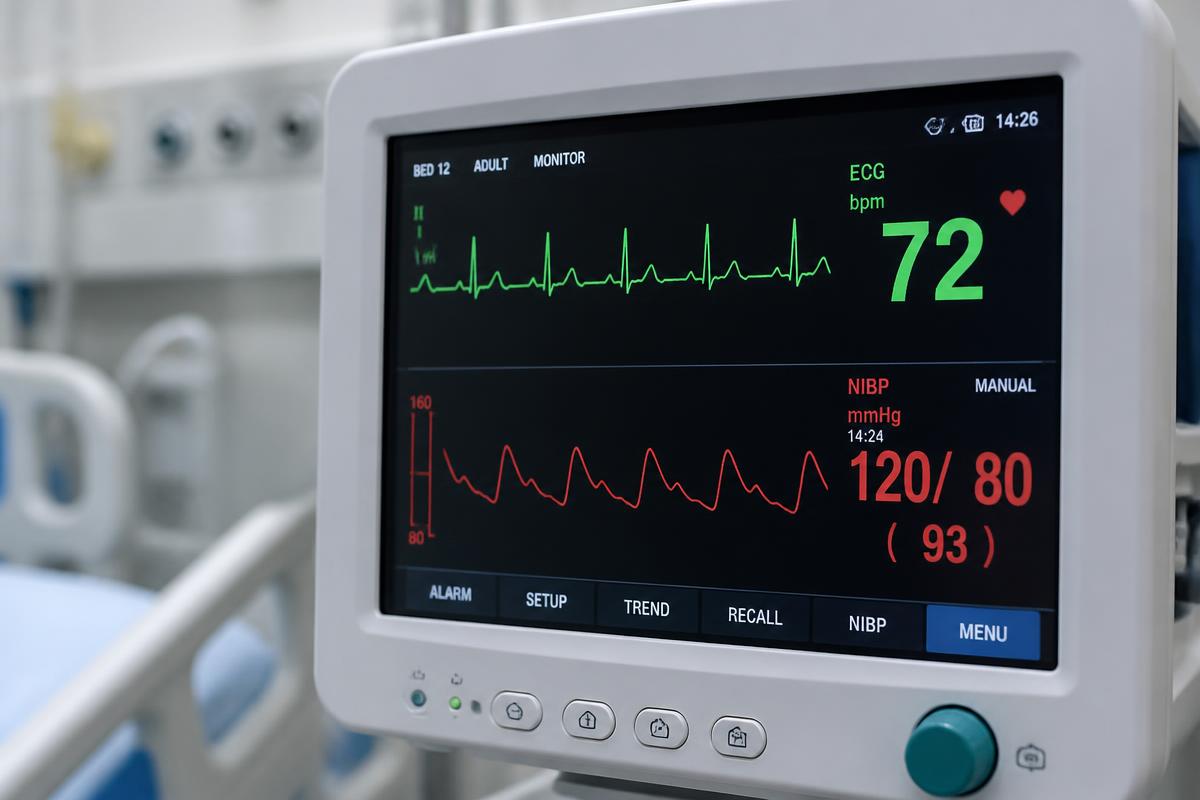
Brain pressure does not act alone. Understanding how it interacts with blood pressure, oxygenation and heart rate is central to neurocritical care.
Read article →
Shunts are lifesaving, but they fail often and unpredictably. Objective pressure data could take the guesswork out of every worrying symptom.
Read article →
IIH causes chronically raised brain pressure and threatens sight. Management depends on measurements that are currently hard to obtain.
Read article →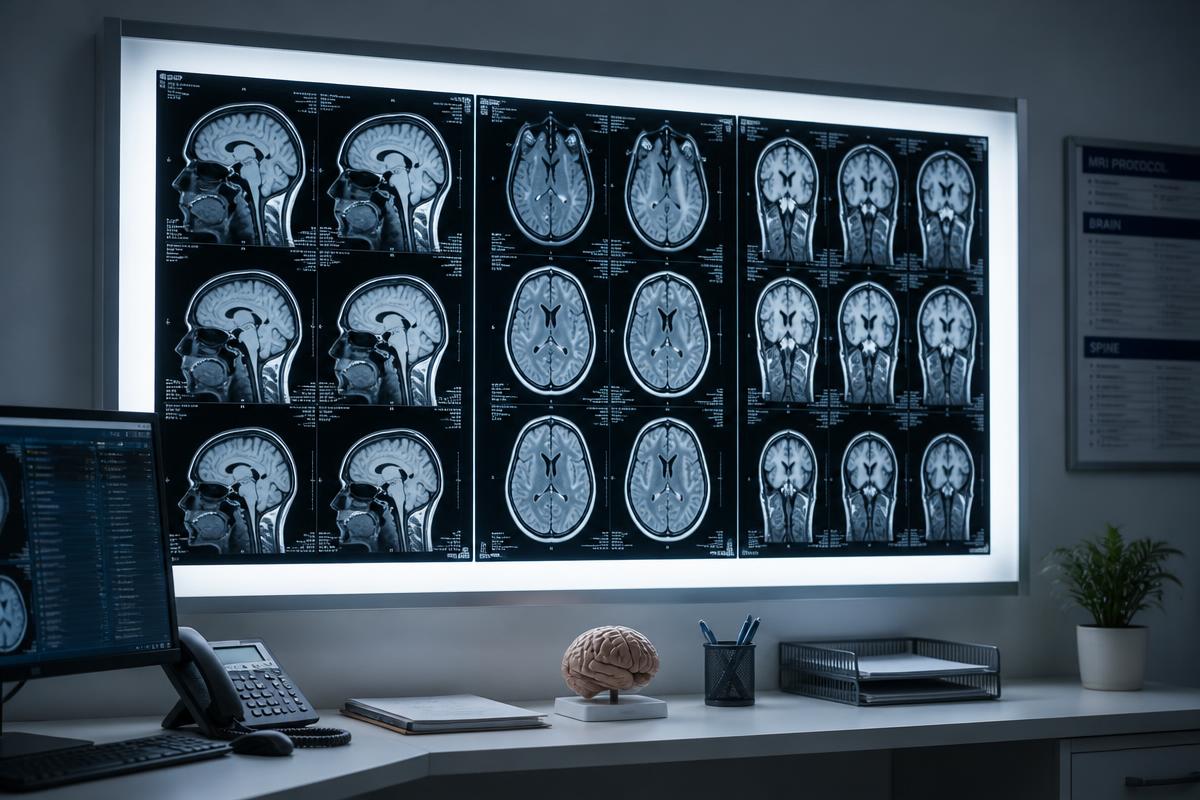
CT and MRI are indispensable, but they show anatomy — not the pressure inside the skull.
Read article →
Intensive monitoring stops at discharge, yet the pressure consequences of a head injury can continue for months.
Read article →
No battery, no chip, no wires. A look at the physical principle behind microfluidic pressure sensing.
Read article →
Cardiology and diabetes care were transformed by continuous home data. Neurology has been waiting for a signal it can measure.
Read article →
Eight widespread myths about ICP and head injury — and what the evidence actually says.
Read article →
What elevated intracranial pressure is, what causes it, how it presents, and why early detection matters.
Read article →Articles scheduled for publication in the months ahead.
Growing skulls, decades of follow-up and a low tolerance for repeat radiation make children a distinct monitoring challenge.
How machine learning could turn continuous ICP waveforms into individualised early warnings.
What it takes to bring a permanently implanted, electronics-free measurement device to patients.