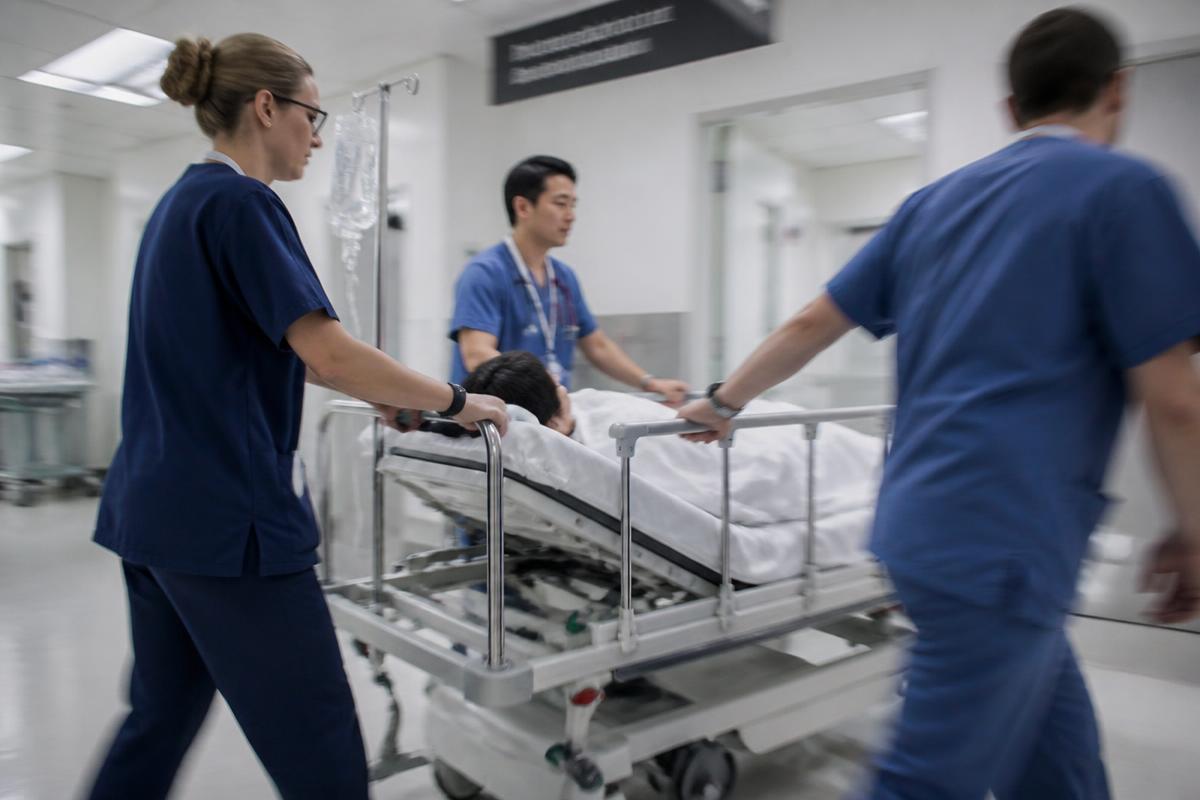
In severe traumatic brain injury, intracranial pressure monitoring is standard of care. An external probe guides sedation, drainage, osmotic therapy and, when necessary, surgical decompression. It is one of the clearest examples of measurement directly changing treatment.
What happens next
The probe is removed after days, and with it the data. Yet complications such as post-traumatic hydrocephalus can develop weeks or months later, and recovery is frequently complicated by persistent headache, cognitive difficulty and fatigue — symptoms that may or may not be pressure related.
The rehabilitation blind spot
- Delayed hydrocephalus after trauma is often detected late
- Post-concussive symptoms are difficult to attribute without objective data
- Return-to-work and return-to-activity decisions rest largely on self-report
- Repeat invasive measurement is not realistic during rehabilitation
A sensor that remains in place and can be read in an outpatient clinic would extend the benefit of pressure-guided care from the first critical days into the long recovery that follows.
← All insights